DEVLog - June
Teaching AI with Whisper on Cloudflare AI Workers, a text to speech chatbot with Coqui and Gymnasium Moon landings, plus why offline first sync broke Bezier.
Hey there, how is it going?
Many friends asked me why I did not publish anything all month. The honest answer? I just was not in the mood. After a short break, I am back, and here is exactly what I did this past month.
Bezier fought back
I have not made much progress with Bezier yet. Building an offline first architecture is much harder than I expected. Offline first means the app keeps working without internet and syncs later. Errors appeared everywhere, nothing seemed to work, and it was very frustrating. Last week, I finally got something working. If everything goes well from here, I want to release a beta this month.
Follow my progress on X, and you will know before anyone else!
SignatureAPI keeps growing
SignatureAPI is doing well. Dozens of people sign up every week, and they are turning into paid subscriptions. That is amazing news for us. We offer a digital signature API built for high volume at low cost. We compete directly with giants like Adobe and DocuSign.
This month, I fixed many tricky problems with glyph fonts. A glyph is the shape a font draws for each character. We usually think showing a letter on screen is a trivial problem. It becomes a real pain when you work deep inside a rendering system, the code that draws documents. The good news? Everything works now, and you will see updates on the SignatureAPI blog very soon!
 SignatureAPI Blog Electronic Signature Blog and SignatureAPI News
AI and ML in class
As many of you know, I teach Artificial Intelligence and Machine Learning. This month, I built several projects to show my students what the models we discuss in class can do in the real world.
Deploying AI models on Cloudflare
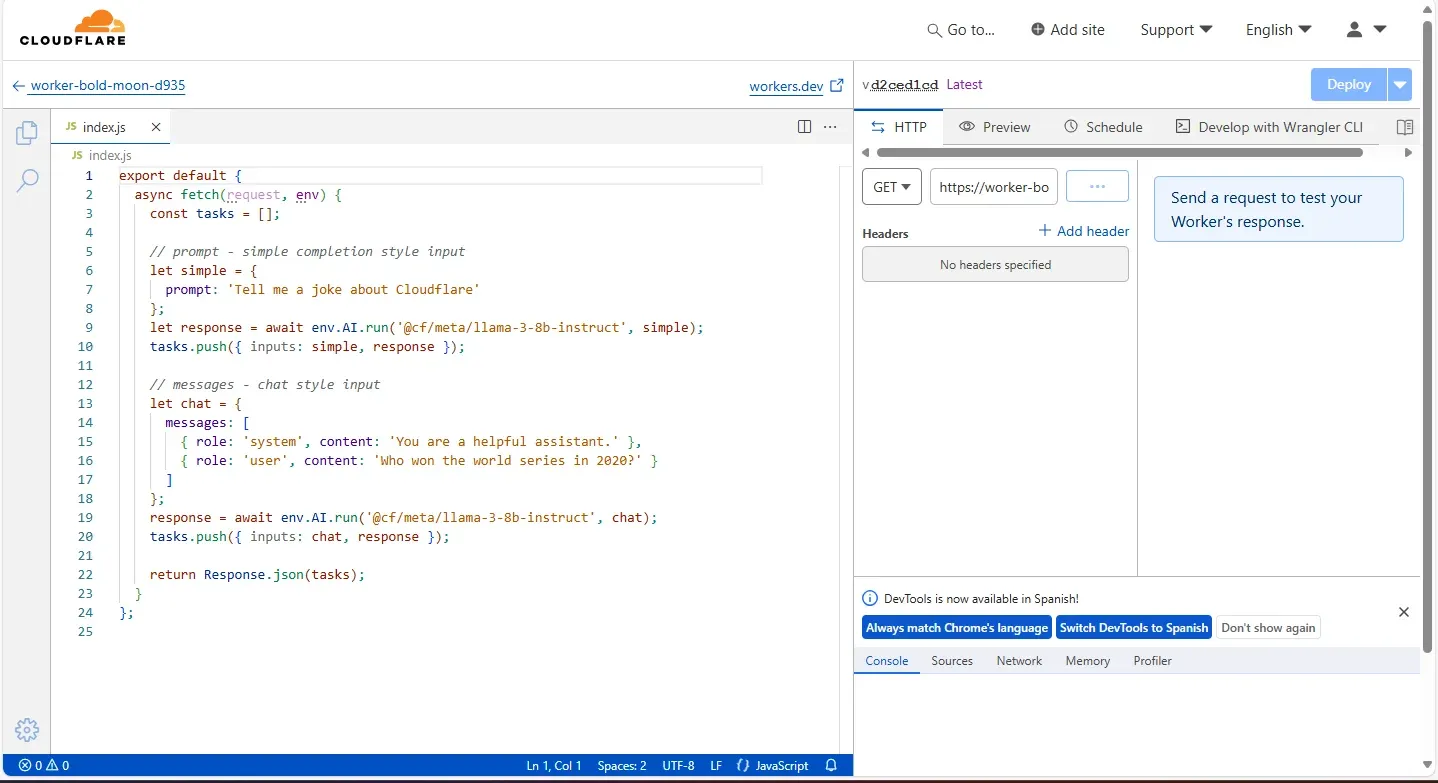
In the first class of the month, I showed my students how to deploy AI models with Cloudflare AI Workers. Deploying means putting a model online so other apps can use it. We deployed Whisper, which turns speech into text, and a Llama 3 model.
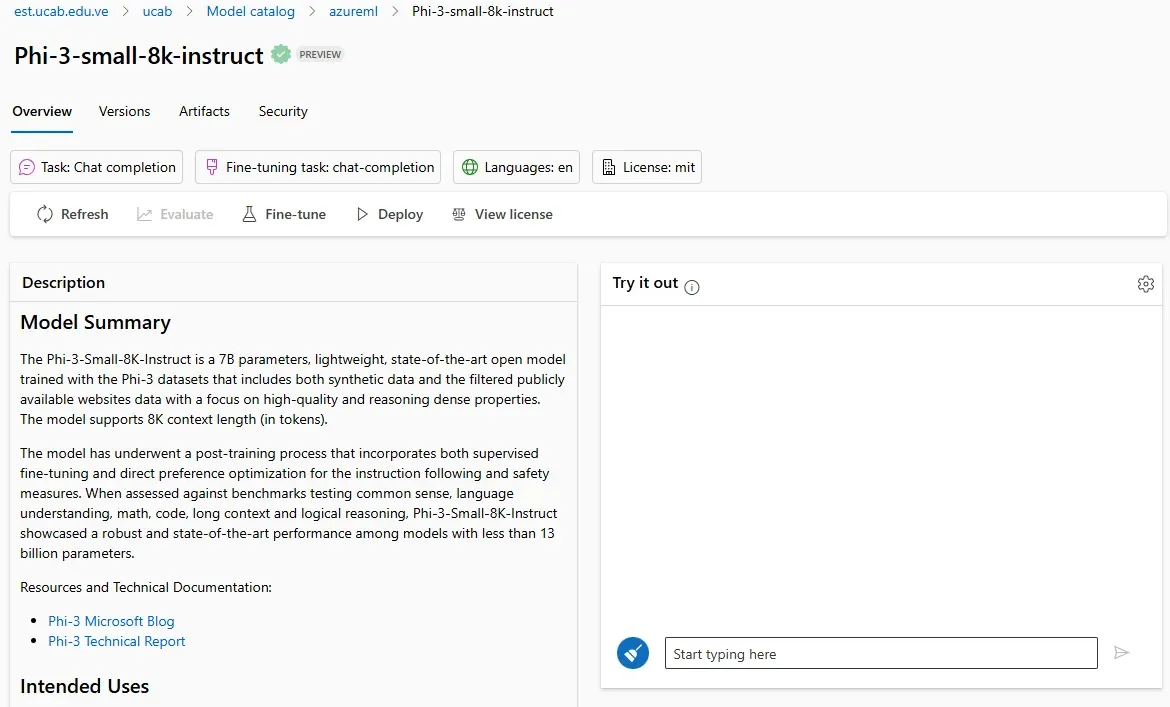
I also showed them how to deploy models on Azure ML Studio. There, we got a Microsoft Phi-3 model up and running.
Building an AI friend
Next, we learned how to generate a voice from text, with Coqui-TTS as the main example. TTS means text to speech. The project for the week was a real time speech to speech chatbot. You talk to it, and it talks back. OpenAI had shown a similar one just the week before, and it inspired us.
Landing a rover on the Moon
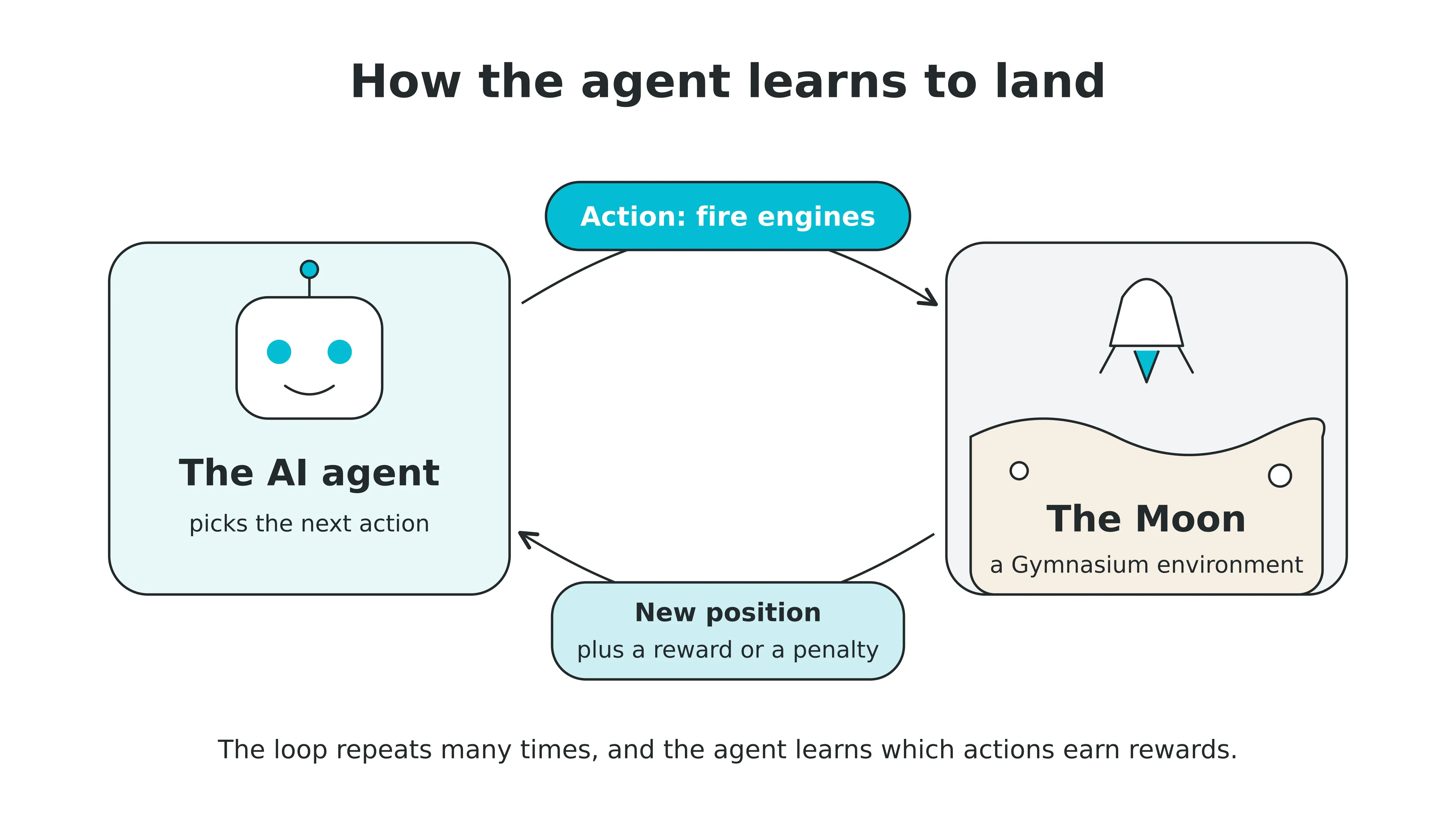
Then we moved to Reinforcement Learning. In reinforcement learning, an AI agent learns by trying actions and getting rewards or penalties. I used this topic to introduce my students to Gymnasium and Stable Baselines, two Python libraries for it. The challenge for the week? Train an AI agent to land a rover on the Moon!
A final Gymnasium workshop
The last week was an assessment of my students’ skills. I wanted to see if they could find the core parts of a reinforcement learning problem. Then they had to use them to solve different Gymnasium environments. We saw a little bit of everything!
These are some of the problems my students solved.
More time in July
This month was awesome, and I expect even more from July. The semester is ending, so I will have more time for other projects and experiences. I will document everything here on the blog. If you want to stay updated, join the newsletter!
If you enjoy the content, please don’t hesitate to subscribe and leave a comment! I would love to connect with you and hear your thoughts on the topics I cover.
Interested in working together? Check out my services and pricing to see how we can collaborate on your next project. Let's Build